
Serving the Birmingham-Hoover metro area

Heat Pump vs AC + Furnace in Alabama: Which Is Best for Your Home?
Heat Pump vs AC + Furnace in Alabama: Which Is Best for Your Home?
Choosing the right heating and cooling system is one of the most important decisions for homeowners in Alabama. With long, hot summers and mild winters, your HVAC setup must be efficient, reliable, and capable of keeping your home comfortable year-round. Two of the most popular options are a heat pump system or a traditional combination of a central air conditioner paired with a furnace. Each option offers unique advantages, and the best choice depends on your climate, budget, and comfort needs.
Many homeowners are unsure which option delivers better performance in Alabama’s weather patterns. Understanding how each system works, where they perform best, and how much they cost to operate can help you make an informed decision. In this blog, you will learn how heat pumps compare to AC and furnace systems and which option may be the right fit for your home.
How Heat Pumps Work in Alabama’s Climate
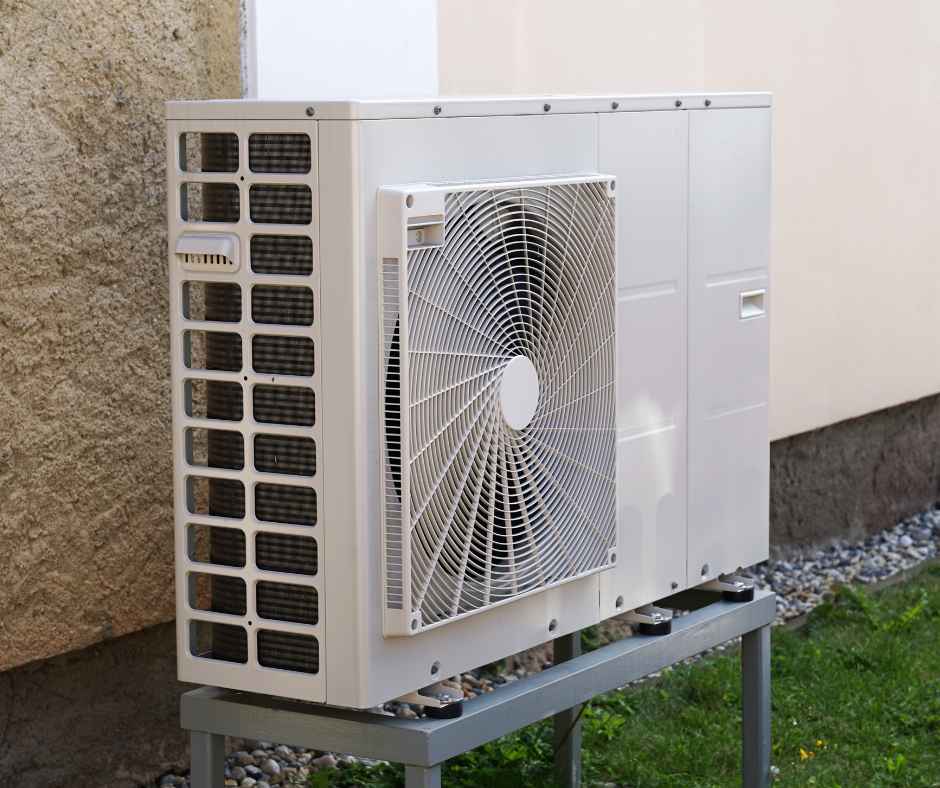
Heat pumps are popular in regions with mild to moderate winters, which makes them a strong fit for many areas in Alabama. Instead of creating heat the way a furnace does, a heat pump transfers heat between the indoors and outdoors. During warm weather, it works like a standard air conditioner by moving heat out of your home. In cooler weather, the system reverses direction and pulls heat from the outdoor air to warm your home.
Because Alabama rarely experiences long stretches of freezing temperatures, heat pumps can perform efficiently through most of the winter. They offer consistent heating and cooling from a single unit, which simplifies installation and reduces the amount of equipment needed. Homeowners appreciate that heat pumps use electricity instead of natural gas, making them an energy-efficient option for year-round comfort.
How AC + Furnace Systems Work
An AC and furnace combination uses two separate pieces of equipment to manage your home’s comfort. The air conditioner handles cooling during Alabama’s long summer season by removing heat from inside your home and releasing it outdoors. This system is built for strong performance in high temperatures and pairs well with homes that experience heavy summer usage.
The furnace takes over during colder weather. Most Alabama homes use gas furnaces, which heat air using natural gas burners before moving warm air through the ductwork. Although Alabama winters are generally mild, a furnace provides strong heating power for the occasional cold snap or freezing night. This dual system allows each unit to focus on its specific job, and many homeowners appreciate the reliability and familiarity of a traditional setup.
AC and furnace systems often have longer lifespans when maintained properly, and replacing just one part of the system can sometimes be more flexible than replacing an all-in-one unit. For homeowners who prefer strong heating performance or already have gas lines installed, this type of system can be a practical choice.
Efficiency Differences: Heat Pump vs AC + Furnace
Efficiency is one of the biggest factors homeowners consider when choosing between a heat pump and an AC plus furnace system. Heat pumps are known for high energy efficiency because they move heat instead of creating it, which requires less energy during Alabama’s moderate winters. This often results in lower utility bills, especially for homes that rely solely on electricity.
AC and furnace systems divide efficiency between two units. Air conditioners can be very efficient during the summer, especially newer models with high SEER2 ratings. Furnaces vary in efficiency based on whether they use natural gas, propane, or electric heat. Gas furnaces can deliver strong heating power but may cost more to run if gas prices fluctuate.
Key efficiency differences include:
- Heat pumps use electricity for both heating and cooling, reducing overall energy use
- High SEER2 heat pumps can outperform many traditional AC units in cooling efficiency
- Gas furnaces rely on fuel, which may increase operating costs during colder periods
- Heat pumps operate most efficiently in mild winter climates like Alabama
- AC and furnace systems may offer better peak heating performance on very cold nights
Both options can be efficient when properly sized and maintained, but Alabama’s climate tends to favor the year-round efficiency offered by heat pumps.
Cost Comparison: Installation and Operating Costs
Cost is often one of the main deciding factors when choosing between a heat pump and an AC plus furnace setup. Heat pumps typically have a higher upfront installation cost because they serve as both the heating and cooling system. However, homeowners may save money long term thanks to lower energy usage, especially in climates like Alabama, where winters are mild.
An AC and furnace system can sometimes cost less to install if a home already has gas lines and ductwork designed for this type of setup. Operating costs are split between electricity for cooling in the summer and natural gas or electricity for heating in the winter. While furnaces deliver strong heating power, they may be more expensive to run during colder weather if gas prices rise.
Important cost considerations include equipment price, installation requirements, and yearly energy use. Homeowners often compare:
- Upfront installation cost for each system
- Monthly energy bills for heating and cooling
- Fuel costs for gas furnaces
- Long-term maintenance requirements
- Expected system lifespan and replacement costs
While heat pumps can offer lower annual operating costs, AC and furnace systems may appeal to homeowners who want a lower initial investment or stronger heating output on the coldest days.
Comfort and Performance in Alabama Weather
Comfort is one of the biggest factors Alabama homeowners consider when choosing between a heat pump and an AC plus furnace system. Alabama’s weather brings long periods of heat, high humidity, and occasional cold spells. Because of this, your HVAC system needs to perform well across a wide range of temperatures.
Heat pumps handle both cooling and heating, and they generally perform very well in Alabama’s warm climate. They provide steady cooling during long summers and reliable heating during mild winters. Their ability to manage humidity also helps maintain a comfortable indoor environment during humid months.
An AC and furnace system offers strong, dependable cooling from the air conditioner and powerful heating from the furnace. While a furnace may be more than homeowners need for most Alabama winters, some prefer the intense heating power it can deliver during cold snaps.
Comfort considerations often include:
- How well each system manages humidity during peak summer heat
- Heating strength during cold nights or occasional freezing weather
- Cooling performance during long summer months
- Overall temperature consistency throughout the home
- Noise levels and system responsiveness
Both systems can keep Alabama homes comfortable, but heat pumps often provide smoother temperature control year-round, while AC and furnace systems may appeal to those who prefer stronger heating output on the coldest days.
Lifespan, Maintenance, and Repair Needs
The expected lifespan and maintenance requirements of your HVAC system can influence long-term costs and overall home comfort. Heat pumps typically last around 12 to 15 years, partly because they run year-round for both heating and cooling. Since they operate more frequently, they may require seasonal maintenance to keep performance and efficiency high.
AC and furnace systems tend to have different lifespans for each part of the system. Air conditioners often last around 12 to 15 years, while furnaces can last 15 to 20 years or more when properly maintained. Because these systems share the workload between two units, each component may experience less year-round strain than a heat pump.
Maintenance and repair considerations often include:
- Frequency of system use throughout the year
- Cost and availability of replacement parts
- Seasonal tune-ups for both heating and cooling
- Wear and tear caused by Alabama’s summer heat
- Long-term reliability and repair history
Both systems can provide reliable performance when cared for properly, but heat pumps may require slightly more frequent check-ups since they operate through all seasons.
Environmental Impact and Energy Source Differences
Environmental impact is an important factor for many Alabama homeowners comparing a heat pump and an AC plus furnace system. Heat pumps are considered one of the most environmentally friendly HVAC options because they run entirely on electricity. Instead of burning fuel to create heat, they transfer heat using efficient technology that reduces energy consumption and lowers your home’s carbon footprint.
AC and furnace systems operate differently. The air conditioner uses electricity for cooling, while the furnace may rely on natural gas, propane, or electric heat strips. Gas furnaces produce emissions as part of the combustion process, which can increase the environmental impact of the system. However, some homeowners prefer gas heat for its strong performance on colder days.
Environmental considerations often include:
- Whether the system relies on electricity, gas, or both
- Emissions produced during heating
- Overall carbon footprint
- Energy efficiency ratings
- Opportunities for long-term energy savings
Heat pumps typically provide the most eco-friendly option, especially in climates like Alabama, where they can run efficiently year-round without relying on fuel sources.
Which Option Is Best for Alabama Homes?
Both heat pumps and AC plus furnace systems can perform well in Alabama, but the best choice depends on your home’s needs, budget, and comfort preferences. Heat pumps are often the most efficient option for Alabama’s climate because they provide reliable heating and cooling without relying on fuel. Their ability to deliver energy-efficient, year-round comfort makes them a strong match for homes that experience mild winters and long summers.
An AC and furnace system may be the better choice for homeowners who prefer powerful heating during occasional cold snaps or already have gas lines and a furnace setup in place. These systems allow each unit to handle one part of the job, which can support longevity and strong performance during extreme temperatures.
When deciding between the two, homeowners in Alabama should consider:
- Winter heating needs and desired comfort levels
- Energy costs, both long and short term
- Whether the home uses natural gas
- Upfront installation budget
- Existing HVAC infrastructure
For many Alabama households, a heat pump offers the best balance of efficiency, comfort, and cost savings. However, both systems have their advantages, and selecting the right one depends on your specific home and family needs.
Choosing the Right HVAC System for Alabama Weather
Both heat pumps and AC plus furnace systems can keep Alabama homes comfortable, but the right choice depends on your heating needs, energy goals, and budget. Heat pumps often provide the best efficiency for Alabama’s mild winters and long summers, while AC and furnace systems may appeal to homeowners who want stronger heating performance during cold snaps or who already have gas service in place.
Aux Home Services is here to help homeowners choose the system that offers the most comfort and value for their needs. To explore your options or schedule a professional consultation, contact us today.
Frequently Asked Questions
Do heat pumps work well during sudden cold snaps in Alabama?
Yes, heat pumps perform well during most Alabama winter days. During rare freezing nights, many systems include auxiliary heat to maintain comfort without relying on a furnace.
Is it more expensive to repair a heat pump than a furnace or AC?
Repairs vary by system and part availability. Heat pumps can sometimes cost more to repair because they run throughout the year, but proper maintenance helps reduce long-term repair needs.
Can I replace only the AC or furnace if one part of my system fails?
In many cases, yes. AC and furnace systems allow component-only replacement, although the new equipment must match the remaining system for efficiency and performance.
Are heat pumps quieter than traditional HVAC systems?
Heat pumps often operate more quietly than older AC or furnace systems. Newer models are designed for reduced vibration and softer startup noise.
Will a heat pump lower my energy bills in Alabama?
For many homeowners, yes. Because heat pumps use electricity to move heat rather than create it, they often deliver lower monthly energy costs in climates with mild winters like Alabama.