
Serving the Birmingham-Hoover metro area

How to Prepare Your HVAC System for Alabama’s Early Spring Temperature Swings
How to Prepare Your HVAC System for Alabama’s Early Spring Temperature Swings
Residents across the Heart of Dixie know that spring weather is rarely a gentle transition. It is common to wake up to a crisp frost on the windshield only to see the thermometer hit eighty degrees by late afternoon. These dramatic shifts in temperature make it difficult to choose an outfit for the day. They force your heating and cooling equipment to cycle rapidly between modes. This causes significant mechanical stress, which can lead to unexpected breakdowns or spikes in energy bills. At Aux Home Services, we believe that preparation is the most effective way to protect your investment and your home comfort.
In this blog, we will provide a comprehensive guide on how to ready your home for the volatile Alabama spring. By understanding the unique demands of our local climate, you can ensure your system remains efficient, reliable, and ready for whatever the forecast holds.
Understanding the Impact of Alabama’s Volatile Spring Climate
Alabama weather is notoriously unpredictable during the transition from winter to spring. The Gulf of Mexico often sends warm, moist air northward while cool, dry air masses still push down from the plains. When these forces collide over the Birmingham area, the result is more than just severe storm potential. The HVAC system must contend with “short cycling,” which occurs when the unit turns on and off frequently to keep up with rapid thermostat changes.
These fluctuations are particularly hard on the compressor and the blower motor. If your system was already struggling with a minor mechanical issue during the winter, the sudden demand for cooling after a cold morning can cause a total system failure. Furthermore, Alabama’s humidity rises during these weeks. This moisture makes the air feel warmer than it actually is, often tempting homeowners to crank down the AC prematurely. Without proper calibration, the system may struggle to dehumidify effectively. This results in a clammy indoor environment and the potential for mold growth in the ductwork. Understanding these stressors is the first step toward proactive maintenance.
The Pre-Spring HVAC Maintenance Checklist for Homeowners
While some technical tasks require a professional, homeowners can take several proactive steps to prepare for the spring transition. Performing these simple checks can prevent minor inefficiencies from snowballing into expensive repairs during a sudden April heatwave.
- Replace Your Air Filters: This is the single most important DIY task. Pollen counts in Alabama begin to climb as early as February. A clean filter ensures your system does not have to work harder than necessary to pull air through a layer of winter dust and early-spring allergens.
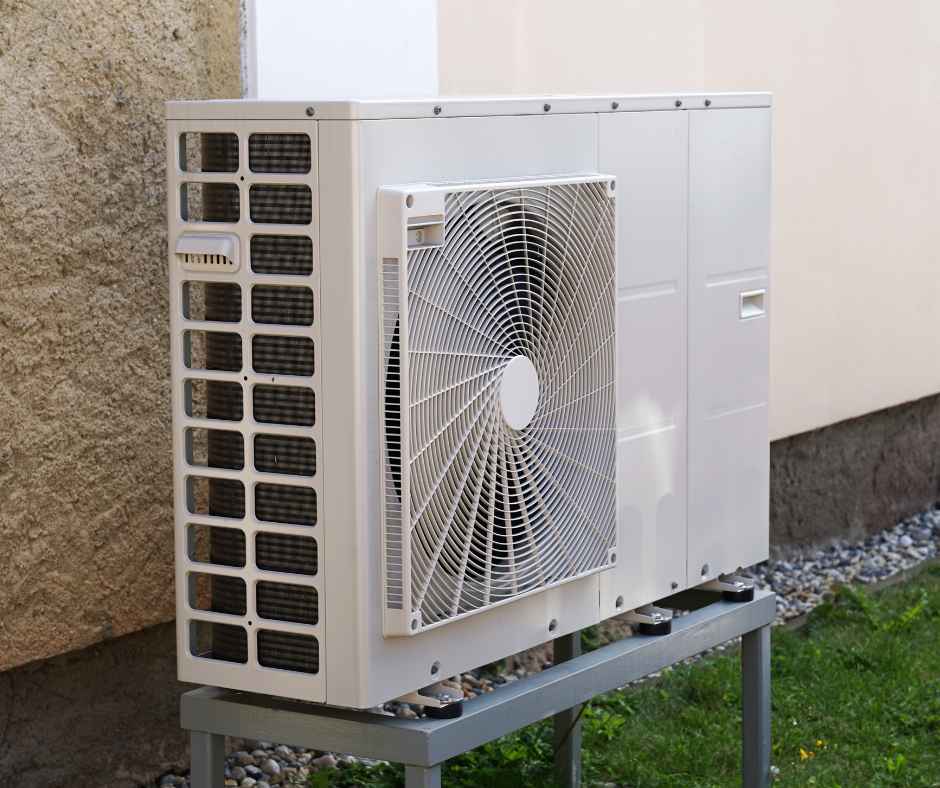
- Clear the Outdoor Condenser Unit: During the fall and winter, leaves and pine needles often accumulate around the base of your outdoor unit. Check for at least two feet of clear space around the entire perimeter. Remove any encroaching weeds or low-hanging branches that might restrict airflow.
- Inspect the Condensate Drain Line: Your air conditioner removes moisture from the air as it cools. This water exits through a PVC pipe called a drain line. Check the exit point for signs of algae or sludge. Pouring a cup of distilled white vinegar down the drain access point can help kill microbial growth before it causes a backup.
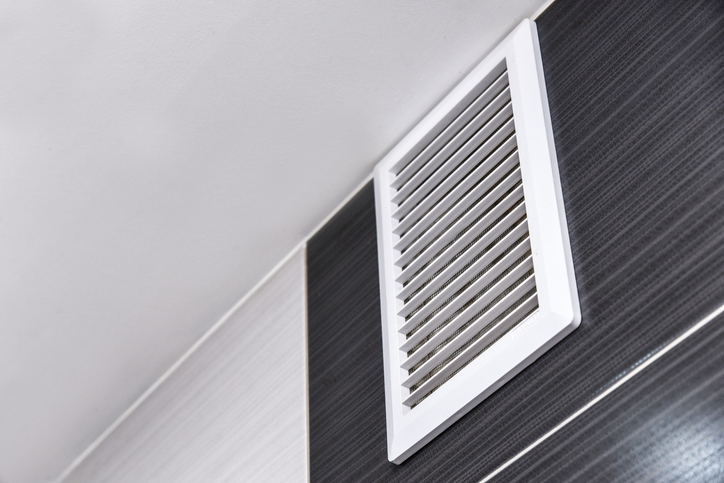
- Check the Fins and Vents: Ensure all indoor supply and return vents are open and unobstructed by furniture or curtains. Outside, inspect the delicate metal fins on the condenser. If they are flattened or caked with mud, they cannot dissipate heat effectively.
Taking these steps now establishes a baseline for your system’s efficiency. If you notice pooling water near your indoor unit or hear unusual grinding during this process, it is a clear signal to call for a professional evaluation before the temperature rises significantly.
Optimizing Your Thermostat for 40-Degree Temperature Shifts
Managing a thermostat in Alabama during March and April feels like a full-time job. You might need the furnace at 6:00 AM and the air conditioner by 2:00 PM. Many homeowners make the mistake of constantly adjusting the temperature manually. This habit often leads to “overshooting,” where the system works overtime to reach a temperature that is actually cooler or warmer than necessary.
To handle these shifts efficiently, consider a smart or programmable thermostat. These devices allow you to set a “deadband” or a range between your heating and cooling setpoints. For example, you might set the heat to kick in at 68 degrees and the cooling at 74 degrees. This prevents the two systems from competing with each other or cycling too frequently. If you use a manual thermostat, avoid the “Auto” setting, which automatically switches between heat and cool modes. It is usually more energy-efficient to make a single manual switch once the outdoor temperature has stabilized for the day. This small change reduces the mechanical load on your heat pump or furnace during the most volatile weeks of the year.
Addressing Indoor Air Quality and Alabama Pollen Surges
Spring in Alabama is beautiful but challenging for those with respiratory sensitivities. Our state consistently ranks among the most challenging regions for allergy sufferers because tree pollen from oak, cedar, and pine begins circulating early in the year. While you might keep your windows shut, these microscopic particles find their way inside on your clothing, through door gaps, or via your shoes. Once inside, your HVAC system acts as a distribution hub for these irritants.
To address this, consider upgrading your filtration system. Standard fiberglass filters are designed to protect the equipment from large dust bunnies, but they do little to capture fine pollen. Switching to a filter with a Minimum Efficiency Reporting Value (MERV) of 11 or 13 can significantly improve the air you breathe. For homes with severe allergy issues, installing an in-duct air purifier or a UV germicidal light system is a proactive step. These technologies neutralize airborne pathogens and allergens as they pass through your ductwork. Maintaining a healthy indoor environment during the spring “pollen dump” protects not only your lungs but also the internal components of your HVAC unit from sticky buildup.
The Critical Role of Professional Multi-Point Inspections
While homeowner maintenance is vital, it cannot replace a deep technical assessment by a qualified technician. Alabama’s climate is unique in how quickly it shifts from humid dampness to dry heat. This creates a specific type of stress on electrical components and refrigerant lines. During a professional multi-point inspection, a specialist looks beyond the surface to identify invisible issues that a standard visual check would miss.
A comprehensive professional visit typically includes the following essential checks:
- Electrical Connection Tightening: Technicians inspect and tighten all electrical connections to prevent failures and ensure the system’s safe operation.
- Refrigerant Level Verification: Ensuring the system has the correct amount of refrigerant is crucial for efficient cooling. Low levels can indicate a leak that needs immediate repair.
- Lubrication of Moving Parts: Reducing friction in motors and bearings extends component life and improves overall efficiency.
- Condensate Drain Inspection: Clearing the drain line prevents water damage and helps maintain proper indoor humidity levels during muggy Alabama afternoons.
- Thermostat Calibration: Verifying that your thermostat accurately reads the indoor temperature ensures your system cycles correctly and maintains comfort.
By investing in a professional tune-up, you are essentially buying peace of mind. A well-maintained system runs more efficiently, resulting in lower monthly utility bills. Most importantly, it ensures your HVAC system will reach its full expected lifespan rather than fail prematurely due to the strain of our local weather patterns.
Staying Ahead of the Alabama Heat
Preparation is the key to managing the unpredictable nature of an Alabama spring. By taking the time to inspect your outdoor unit, upgrade your air filters, and optimize your thermostat settings, you create a more resilient home environment. These small steps mitigate the stress that rapid temperature swings place on your mechanical systems. They also ensure your family remains comfortable, whether the day brings a sudden frost or a humid afternoon.
Waiting until the first major heatwave to test your air conditioner is a risky strategy that often leads to long wait times and higher repair costs. Proactive maintenance is always more cost-effective than reactive repairs.
At Aux Home Services, we specialize in helping local homeowners navigate these seasonal shifts with ease and confidence. Our team is ready to ensure your heating and cooling systems are optimized for peak performance and efficiency. To schedule your multi-point inspection and prepare your home for the months ahead, contact us today.
Frequently Asked Questions
How do I determine whether temperature swings are causing my system to short-cycle?
Short-cycle behavior is characterized by the unit turning on and off every few minutes without completing a full cooling or heating cycle. If your system starts up more than four times in an hour during moderate weather, it may be struggling with rapid temperature fluctuations or an underlying sensor issue.
Does the high humidity in Alabama in spring affect my air filter replacement schedule?
Yes, humidity can cause dust and pollen to clump together more easily on filter media. During a particularly damp Alabama spring, you may find that your filter becomes “clogged” faster than it would in the dry winter months. Checking your filter every thirty days is recommended during this transition.
Is it safe to switch from “Heat” to “Cool” mode multiple times in one day?
While modern HVAC systems are designed to handle mode changes, frequent mode changes can wear down the reversing valve in heat pumps. It is best to wait at least five minutes between mode changes to allow system pressures to equalize, preventing unnecessary mechanical strain.
Should I cover my outdoor unit during a late-season spring frost?
No, you should never cover your outdoor unit while it is in operation. If your system is running in “Heat” mode to combat morning frost, it requires unrestricted airflow to remove heat from the outside air. Covering it can lead to overheating and significant compressor damage.
Can a smart thermostat really save money during a 40-degree temperature swing?
Absolutely. Smart thermostats use predictive algorithms to understand how long it takes to heat or cool your specific home. Instead of the system “blasting” air to catch up to a manual change, the smart thermostat makes gradual adjustments that use less energy while maintaining a consistent comfort level.